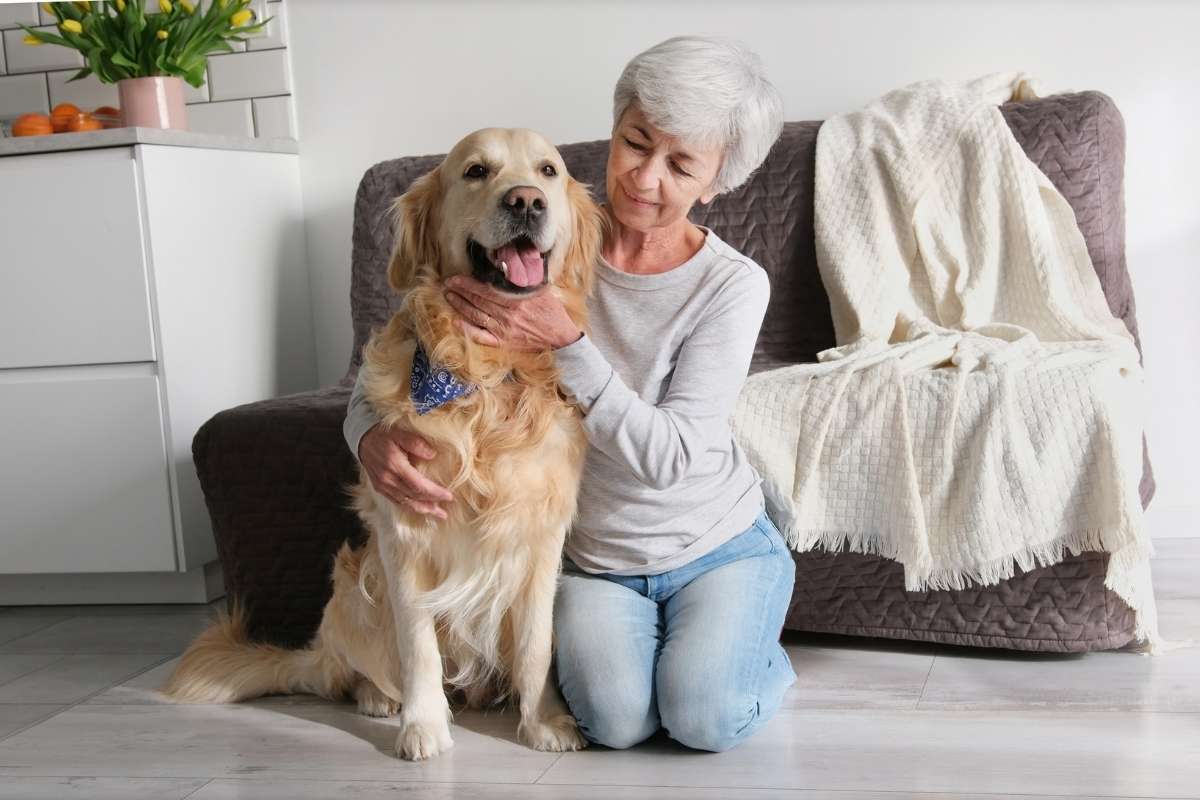


Senior pet care in Pompano Beach plays an important role in helping aging dogs maintain mobility, comfort, and a good quality of life. As dogs grow older, changes in metabolism and activity levels can make it easier to gain excess weight. Maintaining a healthy weight is more than a cosmetic concern; it can directly affect your senior dog’s joints, energy, and overall well-being.
Why Healthy Weight Matters for Senior Dogs
Aging naturally brings changes to a dog’s body. Many senior dogs become less active, while their metabolism may slow down. If food portions and treats remain the same as they were during their younger years, gradual weight gain can occur.
Extra weight places additional strain on the body, particularly the joints and muscles. For an older dog already experiencing age-related stiffness, carrying excess pounds can make everyday activities such as walking, climbing stairs, or getting up from a resting position more difficult.
Maintaining an appropriate body weight can help support mobility and allow your dog to remain comfortable and engaged in daily activities.
How Excess Weight Can Affect an Aging Dog
Obesity can contribute to several health concerns in senior dogs. Excess body fat may increase stress on the joints and make movement more challenging. It can also be associated with conditions such as diabetes, heart problems, and high blood pressure.
For senior dogs, these concerns can have an even greater impact because their bodies may already be undergoing age-related changes.
Weight management is therefore an important part of senior vet care. A veterinarian can evaluate your dog’s body condition, lifestyle, nutritional needs, and activity level to help determine an appropriate weight-management approach.
Signs Your Senior Dog May Be Overweight
Weight gain can happen gradually, making it difficult for owners to notice. Regularly monitoring your dog’s body condition can help you recognize changes early.
Some potential signs of excess weight include:
- Difficulty feeling your dog’s ribs beneath the skin
- A less visible waist when viewed from above
- Reduced willingness to walk or play
- Difficulty getting up after resting
- Increased fatigue during normal activities
- Noticeable weight gain over several months
Keep in mind that every dog has a different ideal body shape. Breed, size, age, muscle mass, and overall health all influence what a healthy weight looks like. A veterinary professional can provide a more accurate assessment than appearance alone.
Nutrition Is a Key Part of Senior Pet Care Near You
Nutrition becomes especially important as dogs age. Senior dogs may require different calorie levels than younger adult dogs because their activity patterns and metabolism can change.
Portion control is one of the simplest ways to help manage weight. Measuring meals rather than estimating portions can prevent accidental overfeeding. Treats should also be included when considering your dog’s overall daily calorie intake.
A veterinarian can help determine whether your senior dog would benefit from adjustments to their current diet. Depending on your pet’s individual needs, nutritional recommendations may focus on appropriate calories, balanced nutrients, and maintaining healthy muscle mass.
If you’re searching for senior pet care near you, choosing a veterinary team that can provide individualized nutrition and weight-management guidance can make maintaining your dog’s health easier.
Exercise Helps Senior Dogs Maintain a Healthy Weight
Keeping an older dog active is another important part of weight management. However, senior dogs may not tolerate the same level of activity they enjoyed when they were younger.
Instead of encouraging strenuous exercise, focus on regular, appropriate movement. Short walks, gentle play, and other low-impact activities can help your dog stay active while supporting mobility.
The right amount of exercise depends on your dog’s age, breed, physical condition, and existing health concerns. If your dog becomes unusually tired, reluctant to move, or uncomfortable during activity, discuss these changes with your veterinarian.
Maintaining appropriate activity levels can support muscle strength and help prevent the cycle of weight gain and reduced mobility.
Regular Senior Vet Care Can Help Track Weight Changes
Weight management should not be a one-time effort. A dog’s nutritional and exercise needs can change throughout the senior years, which is why regular veterinary monitoring is valuable.
During senior wellness visits, your veterinarian can assess your dog’s weight and body condition while looking for other age-related changes. Acacia Animal Hospital recommends twice-annual wellness checks for senior pets, along with appropriate diagnostic testing to help monitor their overall health.
Keeping track of weight over time can also help identify subtle changes that might otherwise go unnoticed. If your dog’s weight suddenly increases or decreases, your veterinarian can help determine whether dietary, lifestyle, or health-related factors may be contributing.
Simple Ways to Support a Healthy Weight at Home
Pet owners can take several practical steps to help an aging dog maintain a healthy weight:
- Measure meals carefully: Follow your veterinarian’s feeding recommendations rather than relying on guesswork.
- Monitor treats: Treats should be given in moderation and accounted for as part of your dog’s daily intake.
- Encourage appropriate activity: Keep your senior dog moving with activities suited to their age and physical abilities.
- Monitor body condition: Pay attention to changes in your dog’s waist, ribs, muscle tone, and overall appearance.
- Track weight regularly: Consistent monitoring can reveal gradual changes before they become significant.
- Discuss dietary changes with your veterinarian: Avoid making major diet changes without professional guidance, particularly for an older dog.
When to Seek Senior Pet Care in Pompano Beach
Senior dogs deserve extra attention as their needs change. If you notice unexplained weight gain, weight loss, reduced activity, difficulty moving, changes in appetite, or other unusual changes, a veterinary evaluation can help determine the underlying cause.
Professional senior pet care in Pompano Beach can provide personalized guidance based on your dog’s age, lifestyle, body condition, and overall health. Regular wellness care also gives pet owners an opportunity to discuss nutrition, exercise, mobility, and other aspects of healthy aging.
Help Your Senior Dog Age Comfortably
A healthy weight can make a meaningful difference in your aging dog’s comfort and quality of life. By combining appropriate nutrition, regular activity, weight monitoring, and consistent senior vet care, you can give your companion valuable support throughout their later years.
If you have concerns about your senior dog’s weight or changing needs, schedule an appointment with our animal hospital for personalized guidance. At Acacia Animal Hospital, our veterinary team provides individualized senior pet care designed to help aging pets remain comfortable, active, and healthy as they grow older.
Frequently Asked Questions
1. Why is maintaining a healthy weight important for senior dogs?
Ans: A healthy weight can reduce unnecessary stress on the joints and support mobility, activity, and overall quality of life. Maintaining an appropriate weight can also help reduce the risks associated with obesity.
2. How can I tell if my senior dog is overweight?
Ans: Difficulty feeling the ribs, loss of a visible waist, reduced activity, and gradual weight gain can be possible indicators. However, a veterinarian can provide the most accurate assessment based on your dog’s body condition and individual needs.
3. Should I reduce my senior dog’s food as they age?
Ans: Not necessarily. Every dog has different nutritional requirements. Changes in metabolism, activity level, muscle mass, and health can influence calorie needs, so it’s best to discuss portion sizes with your veterinarian.
4. Can exercise help an older dog lose weight?
Ans: Appropriate physical activity can support healthy weight management and help maintain muscle strength. Senior dogs may benefit from gentle, consistent activities rather than strenuous exercise.
5. How often should a senior dog have a wellness check?
Ans: Senior dogs may benefit from more frequent wellness monitoring than younger adult dogs. Acacia Animal Hospital recommends twice-annual wellness checks for senior pets to help monitor changes and identify potential health concerns early.
6. What should I do if my senior dog’s weight changes suddenly?
Ans: Unexpected weight gain or loss should be discussed with a veterinarian. A professional evaluation can help determine whether the change is related to diet, activity, aging, or an underlying health concern.