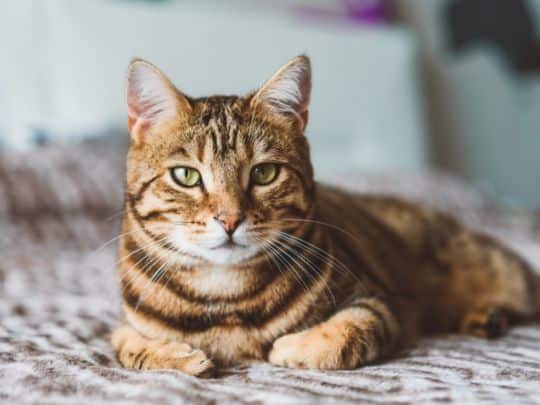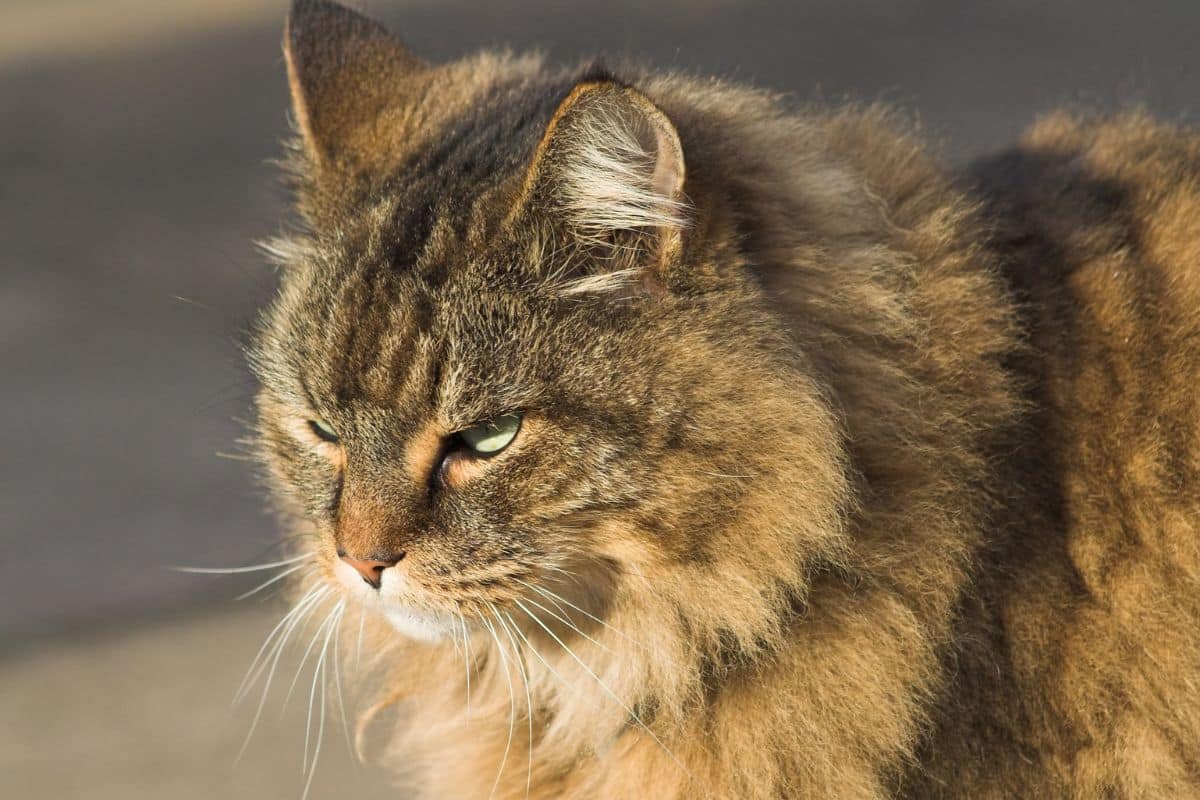
Watching an older cat wander, cry, or appear lost after dark can be concerning. For Pompano Beach pet owners, these changes deserve attention rather than being dismissed as aging.
At Acacia Animal Hospital, senior cat care includes looking for medical and behavioral changes that can affect daily comfort.
Nighttime confusion may occur with feline cognitive dysfunction, an age-related decline in brain function. However, pain, vision loss, hypertension, hyperthyroidism, and other illnesses can cause similar behavior.
A veterinary examination can help identify what may be contributing to the change.
Why Do Older Cats Become Confused at Night?
Older cats can develop changes in memory, awareness, sleep patterns, and navigation. These changes may become more noticeable when the home becomes dark and quiet.
Feline cognitive dysfunction is one possible cause. Affected cats may forget familiar routines or seem uncertain about their surroundings.
Some cats sleep more during the day and become restless after bedtime. However, confusion should not automatically be labeled dementia.
Senior cats can also have several health problems affecting their behavior at the same time.
What Does Nighttime Confusion Look Like in Senior Cats?
Changes may extend beyond simply waking during the night. Watch for behavior that differs from your cat’s established routine.
Possible signs include:
- Loud meowing or yowling after dark
- Pacing or wandering without an obvious purpose
- Staring at walls or empty spaces
- Becoming trapped behind furniture or in corners
- Sleeping more during daytime hours
- Missing the litter box
- Becoming unusually anxious or clingy
- Appearing unable to find familiar resources
Keep notes about when these behaviors occur. Short videos can also help your veterinarian understand what happens at home.
Medical Problems That Can Look Like Cognitive Decline
Several health conditions can cause restlessness, vocalization, or apparent confusion in older cats.
High blood pressure can affect the brain and eyes. Sudden vision problems may make familiar rooms difficult to navigate.
Hyperthyroidism can cause restlessness, increased appetite, weight loss, and excessive vocalization. Kidney disease may contribute to increased thirst, urination, discomfort, or nighttime waking.
Arthritis can make resting uncomfortable and limit access to familiar places. Hearing or vision loss can also make nighttime surroundings harder to understand.
Neurologic conditions can also cause behavioral changes. Because symptoms overlap, an examination is important before assuming cognitive decline.
How Will a Veterinarian Evaluate Nighttime Confusion?
Dr. Atria may begin by reviewing when the behavior started and how it has changed. Appetite, thirst, mobility, elimination, sleep, and medications can provide useful clues.
The examination may include the eyes, joints, thyroid area, nervous system, and blood pressure. Blood or urine testing may also be recommended.
This process can separate cognitive changes from medical conditions requiring treatment. It also supports an appropriate senior cat care plan.
Contact our animal hospital if nighttime confusion is new, recurring, or becoming more noticeable. Early evaluation may identify health changes requiring attention.
How Can You Help a Confused Senior Cat at Night?
Simple home changes may make nighttime navigation easier while the underlying cause is investigated.
- Keep food, water, bedding, and litter boxes easily accessible.
- Place low-level night lights along familiar routes.
- Avoid frequently rearranging furniture.
- Consider low-entry litter boxes for reduced mobility.
- Maintain predictable feeding and bedtime routines.
- Provide comfortable sleeping areas with easy access.
Never give human sleep aids or pain medicines to your cat. Do not change prescribed medications without veterinary guidance.
Treatment depends on the underlying cause. Medical conditions may require condition-specific care.
Cats with cognitive changes may benefit from environmental adjustments, nutrition discussions, behavioral strategies, or veterinarian-directed medication.
When Does Nighttime Confusion Need Veterinary Attention?
Schedule an examination when confusion is new, persistent, worsening, or disrupting your cat’s normal routine.
Changes in appetite, thirst, weight, mobility, or litter box habits also deserve attention.
Seek prompt veterinary care for sudden severe disorientation, seizures, collapse, breathing difficulty, or inability to walk normally. Sudden blindness or marked weakness also requires timely assessment.
Help Your Senior Cat Feel More Secure
Nighttime confusion should not simply be accepted as normal aging. Identifying the cause can guide practical steps to support comfort and daily functioning.
For senior cat care in Pompano Beach and nearby communities, Acacia Animal Hospital can evaluate new behavioral changes. Dr. Atria can assess possible causes and discuss appropriate next steps.
Contact our animal hospital at +19549425955 to schedule an evaluation for your senior cat.
Frequently Asked Questions
1. Is nighttime confusion a sign of dementia in an older cat?
Ans: It can occur with feline cognitive dysfunction, especially alongside wandering, vocalization, or altered sleep. Other medical problems can cause similar signs. Veterinary evaluation is important before assuming dementia.
2. Why does my senior cat yowl at night?
Ans: Nighttime yowling can occur with cognitive changes, pain, sensory decline, hyperthyroidism, or hypertension. New or persistent vocalization should be discussed with a veterinarian.
3. At what age can cats develop cognitive dysfunction?
Ans: Cognitive changes become more common as cats age and may appear after age 10. Age alone cannot confirm cognitive dysfunction. Other medical causes should be considered first.
4. Can I prevent nighttime confusion in my senior cat?
Ans: Not every cause is preventable. Regular veterinary examinations can identify health changes earlier. Consistent routines, accessible resources, mental engagement, and comfortable surroundings may support aging cats.
5. Can nighttime confusion in cats be treated?
Ans: Management depends on the cause. Addressing pain, thyroid disease, hypertension, or other conditions may improve related behavior. Cognitive changes may require ongoing environmental and veterinary management.
6. When is confusion in a senior cat an emergency?
Ans: Seek prompt care for sudden severe confusion, seizures, collapse, breathing difficulty, sudden blindness, or significant weakness. Gradual behavioral changes still warrant a veterinary examination.