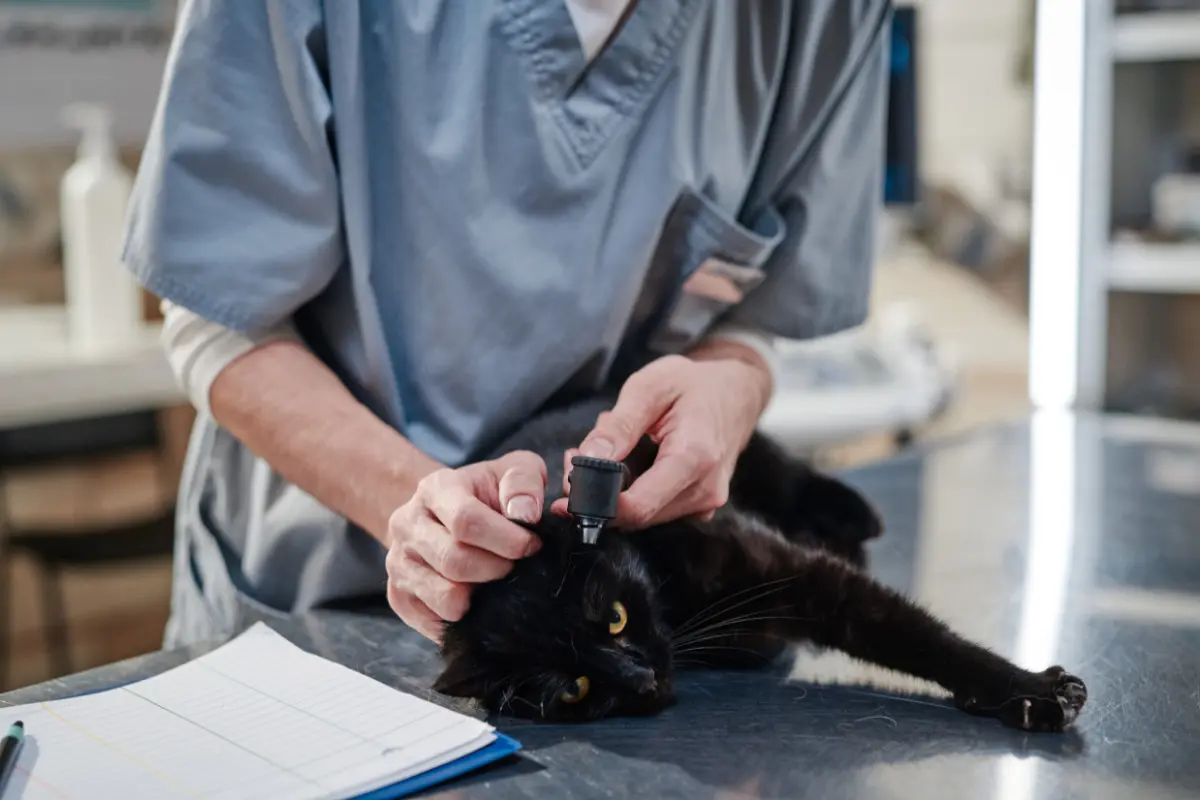

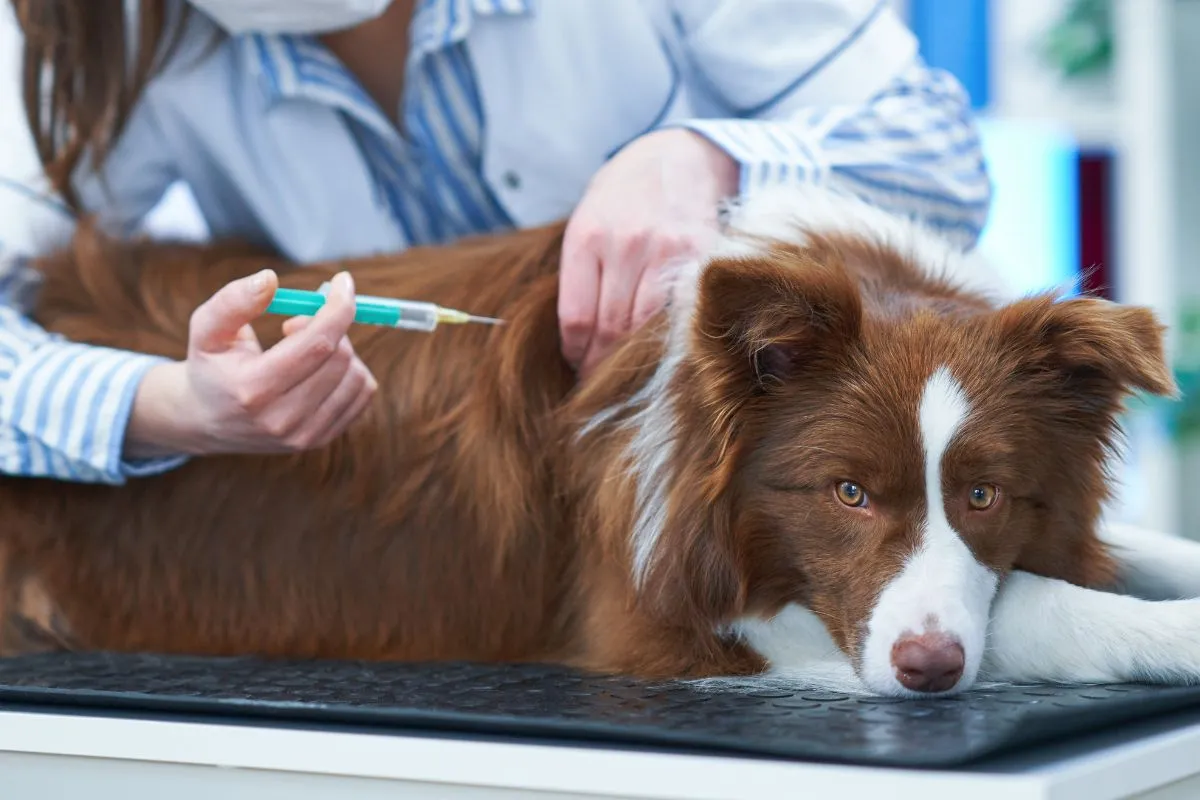
As a pet owner in Pompano Beach, you likely prioritize your pet’s comfort, nutrition, and happiness. But one of the most important aspects of Pet Preventative Care is often underestimated—vaccinations.
Vaccinations are a simple yet powerful way to protect your pet from serious, potentially life-threatening diseases. At Acacia Animal Hospital, we believe that preventive care is the foundation of a long, healthy, and happy life for your furry companion.
Understanding Pet Vaccinations
Vaccinations (or immunizations) help your pet’s immune system recognize and fight harmful diseases caused by viruses and bacteria. Think of vaccines as a training program for your pet’s immune system—preparing it to respond quickly if exposed to dangerous infections.
Without proper vaccination, pets are more vulnerable to serious illnesses such as:
- Rabies
- Distemper
- Parvovirus
- Feline leukemia
These diseases can be severe, costly to treat, and in some cases, fatal.
Key Benefits of Vaccinating Your Pet
1. Prevent Life-Threatening Diseases
Vaccines significantly reduce the risk of highly contagious and dangerous illnesses. Preventing disease is always easier—and safer—than treating it.
2. Protect Your Family and Community
Some diseases, like rabies, can spread from animals to humans. Keeping your pet vaccinated helps protect:
- Your household
- Other pets
- The wider community
3. Save on Long-Term Veterinary Costs
Treating preventable diseases can be expensive and stressful. Vaccinations are a cost-effective way to avoid emergency care and complex treatments.
4. Stay Compliant with Local Laws
Certain vaccines, especially rabies, are legally required in many areas. Keeping your pet up to date ensures compliance and avoids unnecessary issues.
5. Enhance Quality of Life
A vaccinated pet can safely:
- Socialize with other animals
- Travel or be boarded
- Enjoy outdoor activities
Ultimately, vaccines help your pet live a longer, healthier, and more active life.
Types of Pet Vaccines
Core Vaccines
These are essential for all pets:
Dogs:
- Rabies
- Distemper
- Parvovirus
- Adenovirus
Cats:
- Rabies
- Feline viral rhinotracheitis
- Calicivirus
- Panleukopenia
Non-Core Vaccines
These depend on your pet’s lifestyle and risk factors:
- Bordetella (kennel cough)
- Lyme disease
- Feline leukemia
Our veterinary team at Acacia Animal Hospital will recommend the right combination based on your pet’s needs.
Understanding Vaccination Schedules
Vaccination schedules vary depending on:
- Age
- Breed
- Health status
Puppies and kittens require a series of vaccines early in life, followed by booster shots. Adult pets need periodic boosters to maintain immunity.
Staying consistent with your pet’s vaccination schedule is a key part of effective pet preventative care.
Common Myths About Pet Vaccinations
“Indoor pets don’t need vaccines.”
Even indoor pets can be exposed to diseases through shoes, visitors, or other animals.
“Vaccines are unsafe.”
Vaccines are thoroughly tested and generally very safe. Mild side effects like soreness or fatigue are temporary.
“One vaccine lasts forever.”
Immunity decreases over time, which is why boosters are essential.
Signs Your Pet May Need a Vaccine Update
- Unknown or incomplete vaccination history
- Upcoming travel or boarding
- Increased exposure to other animals
- Changes in age or health
Routine checkups help ensure your pet stays fully protected.
Take the Next Step in Preventive Care
Vaccinations are one of the most effective ways to protect your pet’s health and well-being. They not only prevent disease but also give you peace of mind knowing your companion is safe.
If your pet is due for vaccinations, now is the perfect time to act. Book an appointment with Acacia Animal Hospital today and give your pet the protection they deserve through expert pet preventative care.
FAQs
Q1. How often should my pet get vaccinated?
Ans: Puppies and kittens need a series of vaccines early on. Adult pets typically require boosters annually or every few years.
Q2. Are vaccines safe for pets?
Ans: Yes, vaccines are safe and effective. Most side effects are mild and temporary.
Q3. Can vaccinated pets still get sick?
Ans: While no vaccine offers 100% protection, vaccinated pets are far less likely to get seriously ill.
Q4. Are all vaccines necessary?
Ans: Core vaccines are essential, while non-core vaccines depend on your pet’s lifestyle. Your vet can guide you.
Q5. Should sick pets be vaccinated?
Ans: Vaccination is usually postponed if your pet is unwell. Your veterinarian will recommend the best timing.
Q6. Do indoor cats need vaccines?
Ans: Yes. Indoor cats are still at risk and should receive core vaccinations.