

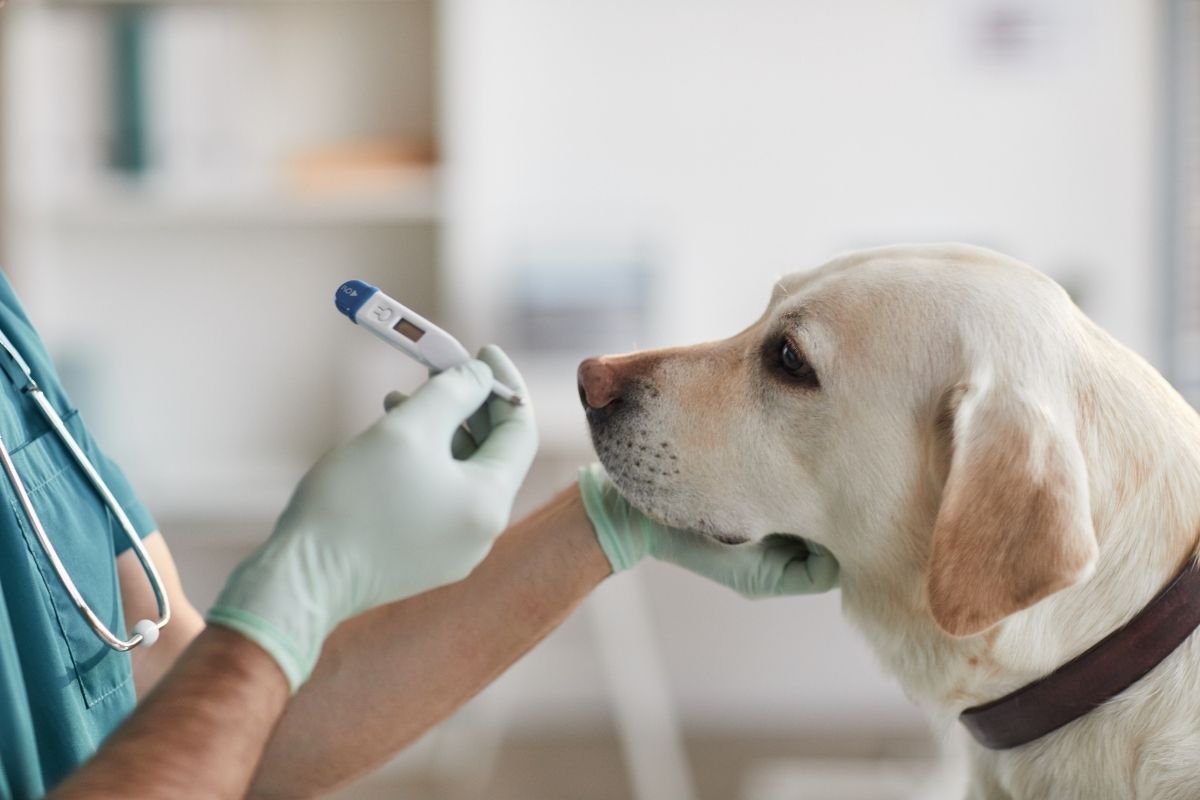
Pets are masters at hiding discomfort and illness. Unlike humans, they can’t explain what they’re feeling, which makes it challenging for pet owners to detect health issues early. This is where veterinary diagnostic tests play a vital role. With the help of modern technology and experienced veterinarians, these tests can uncover hidden conditions before they become serious, ensuring pets live longer, healthier lives.
At Acacia Animal Hospital in Pompano Beach, advanced diagnostic tools and skilled professionals work together to provide accurate insights into your pet’s health. Understanding how these tests work and why they matter can help you make informed decisions for your furry companion.
Why Early Detection Matters in Pet Health
Early detection is one of the most important aspects of preventive veterinary care. Many diseases, such as kidney disease, diabetes, and infections, develop gradually and may not show obvious symptoms in the early stages.
Routine visits to a vet allow for regular monitoring, making it easier to catch abnormalities early. When illnesses are diagnosed sooner, treatment is often more effective, less invasive, and more affordable. Early detection can also significantly improve your pet’s quality of life and longevity.
Common Types of Veterinary Diagnostic Tests
Veterinarians use a wide range of diagnostic tools to evaluate a pet’s health. Each test provides valuable information that helps identify underlying issues.
1. Blood Tests
Blood tests are among the most common and informative diagnostic tools. They help evaluate organ function, detect infections, and identify conditions like anemia or diabetes.
- Complete Blood Count (CBC): Assesses red and white blood cells
- Blood Chemistry Panel: Evaluates liver, kidney, and electrolyte levels
These tests are often part of routine wellness exams and are especially important for senior pets.
2. Urinalysis
Urinalysis examines a pet’s urine to detect urinary tract infections, kidney disease, and metabolic conditions. It can reveal issues that might not be visible through physical examination alone.
This test is particularly useful for pets showing signs like frequent urination, accidents, or changes in drinking habits.
3. Fecal Testing
Fecal exams are essential for detecting intestinal parasites such as worms or protozoa. Even pets that appear healthy can carry parasites, which can affect their overall well-being.
Regular fecal testing helps ensure your pet stays parasite-free and prevents the spread of infections to other animals.
4. Imaging Tests (X-rays and Ultrasound)
Imaging tests allow veterinarians to see inside your pet’s body without surgery.
- X-rays: Ideal for examining bones, lungs, and detecting tumors
- Ultrasound: Provides detailed images of internal organs like the heart, liver, and kidneys
These tools are crucial for diagnosing injuries, blockages, and internal abnormalities.
5. Diagnostic Screening for Chronic Conditions
Certain tests are designed specifically to detect chronic diseases early, especially in aging pets.
- Heartworm testing
- Thyroid level testing
- Glucose monitoring for diabetes
These screenings help manage long-term health conditions effectively.
Signs Your Pet May Need Diagnostic Testing
While routine testing is important, there are also specific signs that indicate your pet may need immediate diagnostic evaluation:
- Sudden weight loss or gain
- Loss of appetite
- Vomiting or diarrhea
- Lethargy or decreased activity
- Changes in behavior
- Increased thirst or urination
If you notice any of these symptoms, it’s important to schedule an appointment with your veterinarian promptly.
How Diagnostic Tests Guide Treatment Plans
Diagnostic testing doesn’t just identify problems, it also helps veterinarians create targeted treatment plans. Instead of guessing, your vet can rely on accurate data to determine the best course of action.
For example:
- Blood tests can guide medication choices
- Imaging can determine whether surgery is needed
- Urinalysis can confirm infections and appropriate antibiotics
This precision reduces trial-and-error treatments and leads to faster recovery for your pet.
The Role of Preventive Care and Routine Testing
Preventive care is the foundation of long-term pet health. Regular checkups combined with diagnostic testing help establish a baseline for your pet’s normal health levels.
Over time, veterinarians can compare results and detect even small changes that might indicate early disease. This proactive approach helps prevent serious conditions from developing.
Puppies and kittens benefit from early screenings, while adult and senior pets require more frequent testing to monitor age-related changes.
Benefits of Advanced Veterinary Technology
Modern veterinary clinics are equipped with advanced diagnostic technology that delivers fast and accurate results. This means less waiting time and quicker treatment decisions.
Some benefits include:
- Early and precise diagnosis
- Minimally invasive procedures
- Better monitoring of ongoing conditions
- Improved treatment outcomes
At Acacia Animal Hospital, the use of updated diagnostic tools ensures pets receive high-quality care tailored to their specific needs.
Supporting Your Pet’s Health at Home
While diagnostic tests are essential, pet owners also play a key role in maintaining their pet’s health.
Here’s how you can help:
- Schedule regular vet visits
- Monitor eating, drinking, and behavior changes
- Keep vaccinations up to date
- Provide a balanced diet and exercise
- Follow your veterinarian’s recommendations
Combining at-home care with professional diagnostics creates a strong foundation for your pet’s well-being.
Conclusion
Veterinary diagnostic tests are powerful tools that help uncover hidden illnesses before they become serious health threats. From blood work and urinalysis to imaging and specialized screenings, these tests provide critical insights that guide effective treatment.
Regular visits to experienced veterinarians, along with timely diagnostic testing, ensure your pet receives the best possible care. By staying proactive and attentive, you can help your furry companion live a longer, healthier, and happier life.
FAQs
1. How often should my pet have diagnostic tests?
Ans: The frequency depends on your pet’s age and health. Younger pets may need annual testing, while senior pets often require more frequent screenings.
2. Are diagnostic tests safe for pets?
Ans: Yes, most tests are minimally invasive and safe. Procedures like blood tests and urinalysis are routine and carry very low risk.
3. Do indoor pets need diagnostic testing?
Ans: Absolutely. Even indoor pets can develop health issues that aren’t visible without testing.
4. How long does it take to get results?
Ans: Some results are available the same day, while others may take a few days depending on the type of test.
5. What if my pet shows no symptoms?
Ans: Many illnesses develop silently. Routine diagnostic testing helps detect problems early, even when your pet appears healthy.
6. Are diagnostic tests expensive?
Ans: Costs vary, but early detection often reduces long-term expenses by preventing serious health complications.