

Your dog’s smile can reveal a lot about their overall health. While occasional bad breath may seem harmless, persistent odor, red gums, or difficulty chewing can point to an underlying dental problem. One of the most common oral conditions in dogs is gum disease, which can develop gradually when plaque and tartar build up along the teeth and gumline.
Understanding how gum disease develops can help pet owners recognize changes early and make informed decisions about their dog’s care. Regular dental attention, at-home hygiene, and professional evaluations from a qualified vet can all play an important role in maintaining healthy teeth and gums.
What Causes Gum Disease in Dogs?
Gum disease, also called periodontal disease, begins when bacteria and food particles accumulate on the teeth. This creates a sticky film called plaque. Without regular removal, plaque can harden into tartar, which is much more difficult to remove with routine brushing.
As tartar accumulates near the gumline, the surrounding tissue can become irritated and inflamed. Over time, bacteria can move below the gumline and affect the tissues supporting the teeth.
Several factors may increase a dog’s risk of dental disease, including:
- Age
- Breed and genetics
- Crowded or misaligned teeth
- Poor oral hygiene
- Existing health conditions
- Lack of professional dental evaluations
Small dogs can be particularly susceptible because their teeth may be more crowded within a smaller mouth.
Understanding the Progression of Gum Disease
Gum disease generally develops gradually rather than appearing overnight. Recognizing the stages can help pet owners understand why early dental care matters.
Stage 1: Plaque and Gingivitis
The earliest stage begins with plaque buildup. The gums may become mildly red or swollen, particularly along the edges of the teeth. This stage is often called gingivitis.
At this point, the condition may be reversible with appropriate dental care and improved oral hygiene.
Stage 2: Early Periodontal Disease
If plaque continues to accumulate and becomes tartar, bacteria can begin affecting the tissues beneath the gumline. The gums may become more inflamed, and your dog may develop persistent bad breath.
Professional dental cleaning may be recommended to remove accumulated deposits and assess the health of the mouth.
Stage 3: Advanced Periodontal Disease
As periodontal disease progresses, the tissues and structures supporting the teeth can become damaged. Dogs may experience loose teeth, discomfort when chewing, bleeding gums, or changes in eating habits.
Dental X-rays can be useful because some dental disease occurs beneath the gumline and cannot be fully evaluated through a visual examination alone. Acacia Animal Hospital notes that digital radiographs may be recommended when dental disease, decay, tartar, or oral pain is present.
Stage 4: Severe Dental Damage
Advanced disease can result in significant damage to the structures supporting affected teeth. In some cases, a damaged tooth may need to be removed to relieve discomfort and protect the surrounding tissues.
This is why addressing dental problems before they become advanced is an important part of ongoing veterinary care.
What Are the Signs of Gum Disease in Dogs?
Dogs do not always show obvious signs of oral discomfort. Some continue eating normally even when dental disease is developing. Watch for changes such as:
- Persistent bad breath
- Red or swollen gums
- Yellow or brown tartar
- Bleeding around the gums
- Excessive drooling
- Difficulty chewing
- Dropping food while eating
- Pawing at the mouth
- Loose or missing teeth
- Reduced interest in food
- Facial sensitivity or discomfort
Bad breath should not automatically be considered a normal part of getting older. Persistent odor can be an indication that your dog needs a dental evaluation.
How Is Gum Disease Diagnosed?
A veterinary dental examination usually begins with an assessment of the teeth and gums. Your veterinarian may look for plaque, tartar, gum inflammation, damaged teeth, and signs of oral discomfort.
Because dental disease can occur below the gumline, additional evaluation may be necessary. Depending on your dog’s condition, professional cleaning and dental X-rays may help identify problems that cannot be seen during a simple visual examination.
How Is Gum Disease Treated?
Treatment depends on the severity of the condition. Mild dental buildup may be addressed through professional cleaning and improved home care. More advanced disease may require additional dental treatment.
Professional dental care may involve:
- Oral examination
- Removal of plaque and tartar
- Dental scaling and polishing
- Digital dental radiographs
- Evaluation of teeth below the gumline
- Extraction of severely damaged teeth when necessary
Acacia Animal Hospital provides dental examinations, professional cleanings, digital radiographs when indicated, and treatment options based on each pet’s oral health needs.
Can Dog Gum Disease Be Prevented?
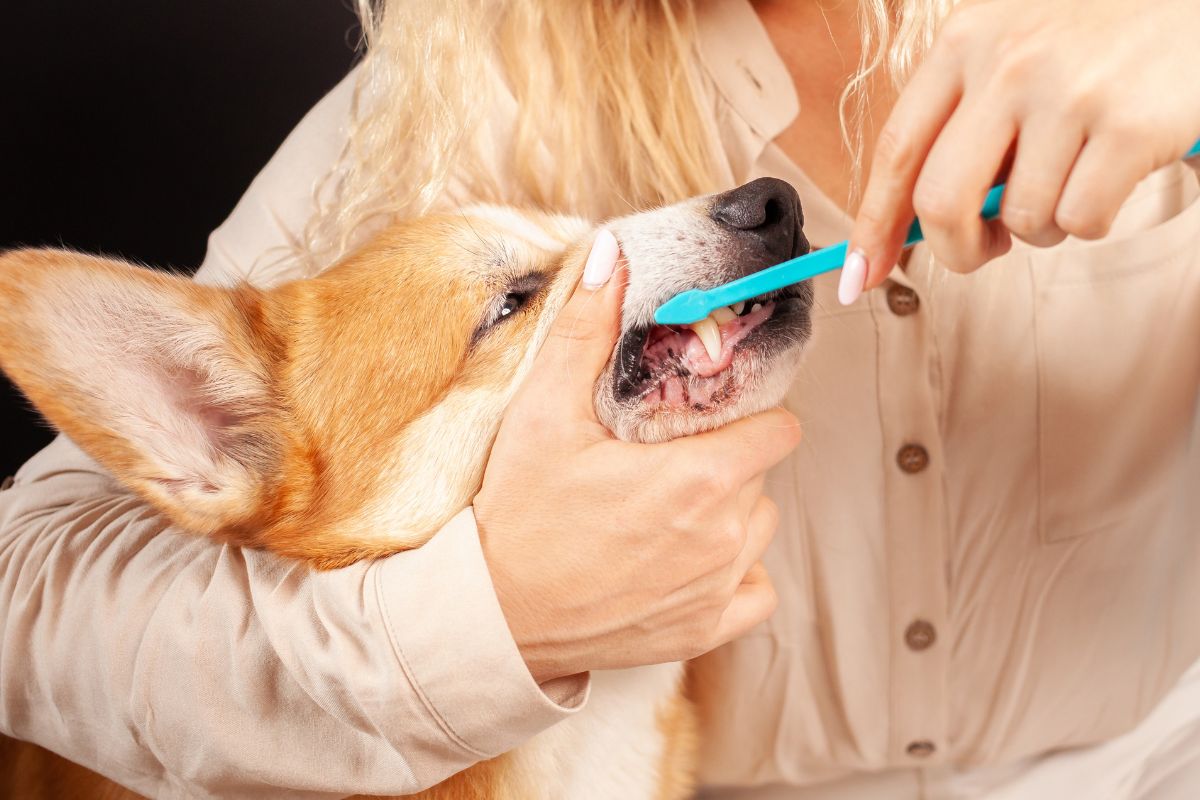
Consistent home dental care can help reduce plaque accumulation. Brushing your dog’s teeth regularly with toothpaste specifically formulated for pets is one of the most useful habits you can establish.
Dental chews, appropriate oral care products, and veterinarian-recommended dental diets may also support oral hygiene. However, home care does not replace professional dental examinations.
Regular veterinary visits allow your pet’s mouth to be monitored over time and can help identify changes before they become more difficult to manage.
When Should You Have Your Dog’s Teeth Checked?
Consider scheduling a dental evaluation if you notice persistent bad breath, visible tartar, red gums, bleeding, loose teeth, or changes in the way your dog eats.
If you are searching for an animal hospital near you in Pompano Beach, a veterinary team can assess your dog’s oral health and explain which dental care options may be appropriate.
Supporting Your Dog’s Oral Health
Healthy teeth and gums can make eating more comfortable and contribute to your dog’s overall quality of life. Combining daily home care with professional dental evaluations gives pet owners a practical approach to protecting their dog’s mouth.
For pet owners in Pompano Beach, Acacia Animal Hospital provides comprehensive dental services designed to identify and address dental concerns while supporting long-term pet health. If you have noticed changes in your dog’s breath, gums, teeth, or eating habits, schedule an appointment with our animal hospital for a professional evaluation.
FAQs
1. What is the most common cause of gum disease in dogs?
Ans: Plaque and tartar buildup are major contributors to gum disease. Bacteria within plaque can irritate the gums and eventually affect tissues beneath the gumline.
2. Is bad breath normal for dogs?
Ans: Persistent bad breath should not be considered normal. It can be associated with plaque, tartar, gingivitis, periodontal disease, or other oral health problems.
3. Can gum disease cause loose teeth?
Ans: Yes. Advanced periodontal disease can damage the tissues and structures that support the teeth, potentially causing teeth to become loose or require removal.
4. How often should I brush my dog’s teeth?
Ans: Daily brushing is ideal when your dog tolerates it. Consistent brushing helps reduce plaque buildup between professional dental evaluations.
5. Are dental chews enough to prevent gum disease?
Ans: Dental chews may help reduce plaque, but they should be viewed as part of an overall dental care routine rather than a replacement for brushing and professional veterinary examinations.
6. Why are dental X-rays sometimes recommended?
Ans: Dental X-rays can help veterinarians evaluate areas below the gumline that cannot be fully assessed during a routine visual examination. This can help identify hidden dental disease and damaged teeth.