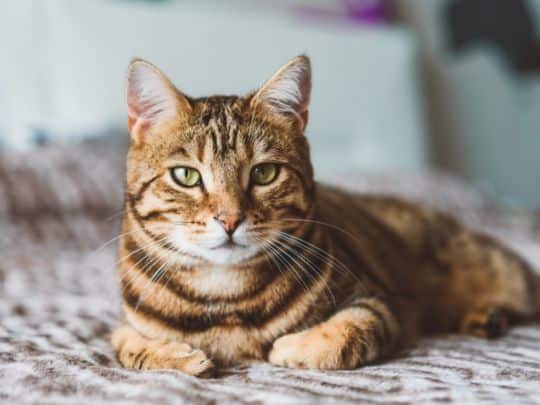
As cats get older, their daily needs often begin to change. Activities that once felt easy, such as jumping onto furniture, grooming, or moving around the house, may become more difficult. Pet parents may notice their feline companion sleeping more, moving more slowly, or seeking quieter places to rest.
Providing senior cat care at home means making thoughtful changes that support comfort, safety, and overall well-being. A supportive home environment, regular observation, and timely veterinary care can help older cats continue enjoying their daily routines.
At Acacia Animal Hospital, we understand that aging pets require extra attention and ongoing health support. Knowing how to recognize changes and create a comfortable space can help pet parents provide better care throughout their cat’s later years.
How Can You Make Your Home More Comfortable for an Older Cat?
Aging affects every cat differently. Some may experience reduced mobility, while others may develop changes in appetite, grooming habits, or behavior. These changes do not always mean something serious, but they should be monitored carefully.
The goal of senior cat care at home is to make daily activities easier while helping your cat feel secure in their environment.
Here are some ways to improve your cat’s comfort at home:
Create Easy Access to Daily Essentials
Older cats may not move around as easily as they did when they were younger. Placing important resources in convenient locations can reduce unnecessary stress and physical effort.
Consider these adjustments:
- Keep food and water bowls in easy-to-reach areas
- Place litter boxes where your cat spends most of their time
- Use litter boxes with lower sides if climbing becomes difficult
- Add additional litter boxes if your home has multiple floors
Your cat should not have to climb stairs or travel long distances just to access basic needs.
Provide Comfortable Sleeping Areas
Cats spend a large portion of their day resting, and older cats often need more peaceful downtime. A comfortable sleeping area can help support relaxation and reduce pressure on sensitive joints.
You can improve resting spaces by:
- Adding soft bedding in quiet areas
- Keeping sleeping spots away from cold drafts
- Providing multiple resting locations
- Choosing beds that are easy to enter and leave
Many aging cats appreciate having a familiar place where they can rest without disturbance.
Support Easier Movement Around the House
Mobility changes are common as cats age. Your cat may avoid certain areas because jumping or climbing has become uncomfortable.
Simple home modifications can make movement easier:
- Place ramps or pet steps near favorite furniture
- Use rugs on slippery floors for better stability
- Keep pathways clear of obstacles
- Move essential items to one accessible level
These changes allow your cat to stay active while reducing unnecessary strain.
Maintain Healthy Eating and Drinking Habits
Changes in eating or drinking patterns can happen as cats get older. Some cats may eat less because of dental discomfort, changes in appetite, or other health concerns.
To encourage healthy habits:
- Provide fresh water every day
- Maintain a consistent feeding schedule
- Monitor changes in food intake
- Discuss dietary changes with your veterinarian
Avoid making major diet changes without professional guidance, as older cats may have specific nutritional needs based on their health condition.
Help With Grooming and Hygiene
Cats are naturally clean animals, but grooming can become more challenging with age. Reduced flexibility or discomfort may make it harder for them to maintain their coat.
Pet parents can help by:
- Brushing their cat regularly
- Checking for tangled fur or mats
- Monitoring skin and coat changes
- Keeping nails trimmed when needed
A sudden decrease in grooming may indicate that your cat is having difficulty or experiencing discomfort.
Keep a Consistent Routine
Older cats often feel more comfortable when their daily routine remains predictable. Sudden changes in their environment or schedule can create stress.
Try to maintain consistency with:
- Feeding times
- Rest periods
- Gentle play sessions
- Daily interactions
Spending calm, quiet time with your cat can also provide reassurance and strengthen your bond.
Watch for Changes in Behavior and Health
Cats often hide signs of illness, which means small changes may be important. A difference in behavior, activity level, or habits could have several possible causes.
Pay attention to signs such as:
- Less interest in play or interaction
- Increased hiding
- Changes in litter box habits
- Weight loss
- Reduced appetite
- Increased thirst
- Difficulty walking or jumping
- Excessive vocalization
These signs do not always indicate a specific condition, but they should be discussed with a veterinarian if they continue or appear suddenly.
How Regular Veterinary Care Supports Aging Cats
Home care is an important part of keeping your cat comfortable, but regular veterinary examinations are also necessary. Aging cats can develop health issues that may not be apparent in daily interactions.
During wellness visits, veterinarians can assess areas such as:
- Weight and body condition
- Dental health
- Mobility and joint comfort
- Overall physical condition
- Changes in behavior or routine
Regular checkups allow pet parents to discuss concerns and understand how their cat’s needs may change over time.
If you need guidance about senior cat care, schedule an appointment with our veterinary professional help you create a care routine based on your cat’s individual health needs.
Create a Calm and Safe Environment for Your Aging Cat
Comfort is not only about physical support. Emotional well-being also plays an important role in helping older cats feel secure.
You can create a calming home environment by:
- Providing a quiet resting area
- Limiting unnecessary changes to their surroundings
- Offering gentle affection
- Allowing your cat to interact at their own pace
If you recently welcomed an older cat into your home, give them enough time to adjust. A familiar routine and patient approach can help them feel more relaxed.
When Should You Schedule a Veterinary Examination?
While some age-related changes are normal, sudden or noticeable differences should not be ignored. A veterinary examination can help determine whether your cat’s changes are related to aging or may require additional attention.
Schedule a visit if your cat experiences:
- Sudden weight changes
- Loss of appetite
- Difficulty moving
- Changes in bathroom habits
- Unusual behavior
- Signs of discomfort
For families in Pompano Beach, regular veterinary care can help monitor your cat’s health and provide support as your cat ages.
Support Your Cat’s Comfort Through Every Stage of Aging
Caring for an aging cat requires patience, attention, and a willingness to adjust their environment as their needs change. Small changes at home, combined with regular veterinary support, can help your feline companion remain comfortable and enjoy a better quality of life.
Consistent senior cat care at home can make everyday activities easier while helping pet parents notice important health changes early. Acacia Animal Hospital provides ongoing senior pet care support to help families in Pompano Beach understand their cat’s changing needs and receive appropriate veterinary guidance throughout the aging process.
FAQs
1. How can I make my older cat more comfortable at home?
Ans: You can improve comfort by providing soft bedding, easy access to food and water, accessible litter boxes, and a safe environment. Monitoring changes in behavior and health is also important.
2. How often should an aging cat see a veterinarian?
Ans: The recommended frequency depends on your cat’s health, age, and medical history. Regular examinations help monitor changes and identify concerns that may need attention.
3. Why is my older cat sleeping more than usual?
Ans: Older cats naturally rest more, but sudden increases in sleeping may sometimes be related to discomfort or health changes. A veterinarian can help evaluate unusual changes.
4. What signs show that my cat may need veterinary care?
Ans: Changes such as reduced appetite, weight loss, mobility problems, unusual hiding, or changes in litter box habits may require a veterinary evaluation.
5. Can I change my older cat’s food without asking a veterinarian?
Ans: It is best to discuss diet changes with your veterinarian first. Older cats may have specific nutritional needs based on their health condition.
6. How can I help my cat with mobility issues at home?
Ans: You can make movement easier by adding supportive bedding, reducing slippery surfaces, placing essentials nearby, and providing steps or ramps when needed.