
Neutering is one of the most common veterinary procedures recommended for dogs, but many pet owners wonder about the best time to have it done. While some may delay neutering due to concerns about growth, personality changes, or breeding plans, postponing the procedure can sometimes increase the risk of certain health and behavioral issues.
Understanding how delayed neutering affects your dog can help you make informed decisions about their long-term wellness. From hormonal changes to unwanted behaviors and preventable medical conditions, timing can play a major role in your pet’s quality of life.
What Is Neutering?
Neutering is a surgical procedure performed to remove a male dog’s testicles, preventing reproduction and reducing the production of testosterone. The procedure is safe, routine, and commonly recommended as part of preventive veterinary care.
Veterinarians may recommend different neutering timelines depending on your dog’s breed, size, age, and overall health. While every dog is unique, delaying the procedure for too long can sometimes create avoidable complications.
Health Risks Associated With Delayed Neutering
Increased Risk of Testicular Cancer
One of the most important reasons for neutering is the prevention of testicular cancer. Because neutering removes the testicles entirely, it eliminates the possibility of this disease developing later in life.
Dogs that remain unneutered for extended periods have a higher risk of developing tumors or abnormalities involving the reproductive organs.
Prostate Problems
Hormonal changes caused by remaining intact can lead to prostate enlargement and infections. Older unneutered dogs are more likely to develop painful prostate conditions that may affect urination and overall comfort.
Neutering often reduces the risk of these issues and may help improve existing prostate-related problems.
Increased Risk of Perianal Tumors
Delayed neutering may also increase the likelihood of hormone-related tumors around the anal region. These growths can become uncomfortable and may require surgery or ongoing treatment if left untreated.
Roaming and Injury Risks
Unneutered dogs are often more likely to roam in search of mates. Roaming behavior increases the chance of accidents, fights with other animals, and exposure to infectious diseases.
Dogs that escape yards or pull away during walks can face serious dangers, including traffic injuries and encounters with aggressive animals.
Behavioral Changes Linked to Delayed Neutering
Increased Marking Behavior
Male dogs that are not neutered may frequently mark territory inside and outside the home. Urine marking is driven largely by hormones and can become more difficult to correct over time.
Early neutering may reduce the likelihood of this habit becoming permanent.
Mounting and Dominance Behaviors
Hormonal influences may contribute to mounting behavior and increased dominance-related actions. While training is essential, delaying neutering may intensify these behaviors in some dogs.
This can create challenges in multi-pet households or social situations with other dogs.
Aggression Toward Other Dogs
Some intact male dogs display more territorial or aggressive tendencies, particularly around other male dogs. Testosterone can increase competitiveness and reactive behaviors.
Although neutering does not solve every behavioral issue, it may help reduce hormone-driven aggression when combined with proper training and socialization.
Difficulty Focusing During Training
Dogs distracted by hormonal urges may struggle with focus and obedience training. Delayed neutering can sometimes make it harder for dogs to remain calm in stimulating environments.
For many pet owners, improved attention and reduced distraction are positive changes seen after neutering.
Are There Benefits to Delaying Neutering?
In some cases, veterinarians may recommend waiting before neutering, especially for large-breed dogs. Delaying the procedure until skeletal growth is more complete may support proper joint development in certain breeds.
Because every dog is different, it is important to discuss the ideal timing with a veterinarian. Factors such as breed, lifestyle, medical history, and behavioral concerns all influence the decision.
Working closely with experienced vets in Pompano Beach can help determine the safest and most beneficial timeline for your dog.
Signs It May Be Time to Consider Neutering
Pet owners may notice behavioral or health-related changes that indicate neutering should no longer be postponed. Common signs include:
- Frequent urine marking
- Escaping or roaming behavior
- Mounting people or objects
- Increased aggression toward other dogs
- Enlarged prostate symptoms
- Excessive territorial behavior
If your dog is showing these signs, consulting a veterinary professional can help prevent future complications.
What to Expect During the Neutering Procedure
Neutering is typically performed under general anesthesia and is considered a routine surgery. Before the procedure, your veterinarian will perform a physical examination and may recommend bloodwork to ensure your dog is healthy enough for anesthesia.
The surgery itself is relatively quick, and most dogs return home the same day.
Recovery After Surgery
Most dogs recover within 10 to 14 days. During recovery, pet owners should:
- Restrict excessive activity
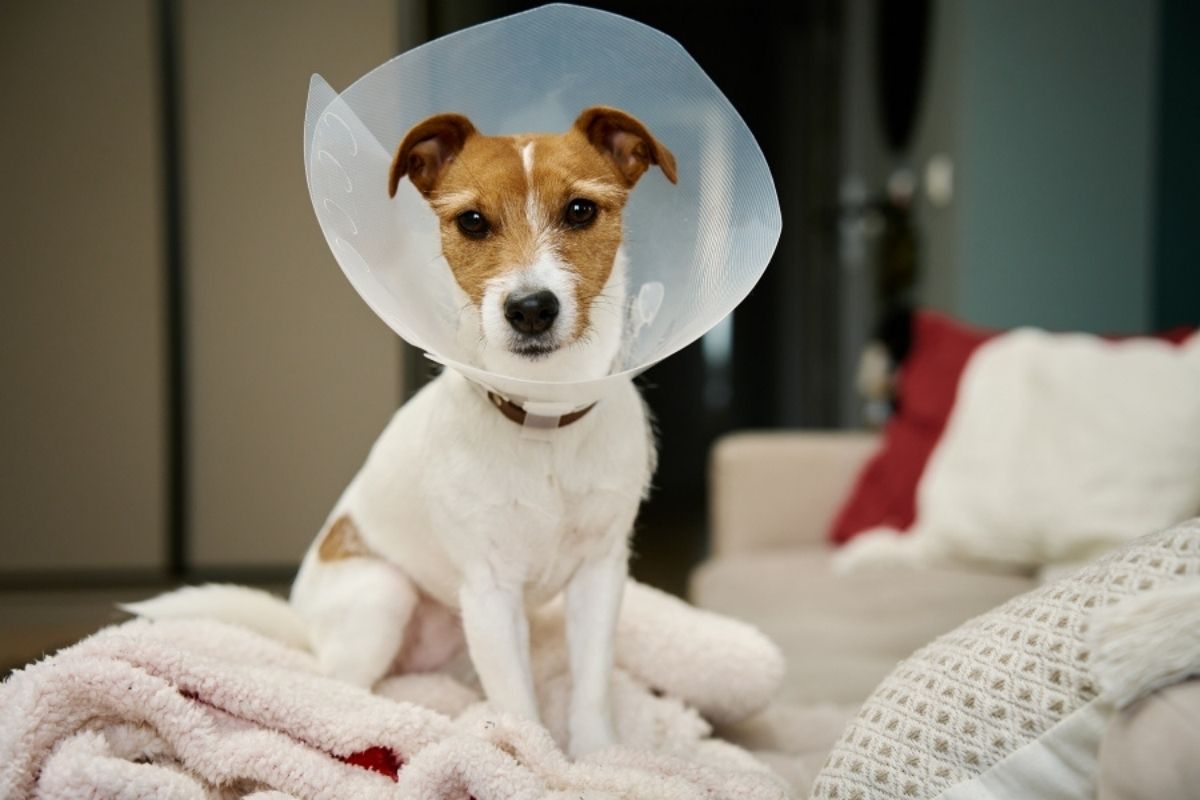
- Prevent licking at the incision site
- Follow medication instructions carefully
- Attend recommended follow-up visits
Dogs usually return to normal routines quickly, and many owners notice positive behavioral improvements over time.
The Importance of Preventive Veterinary Care
Neutering is only one part of maintaining your dog’s long-term health. Routine wellness exams, vaccinations, dental care, nutrition guidance, and diagnostic screenings all contribute to a healthier life.
Preventive care allows veterinarians to detect concerns early and provide personalized recommendations tailored to your dog’s needs.
A trusted family pet clinic Pompano Beach pet owners rely on can help guide every stage of your dog’s wellness journey.
Why Timing Matters for Long-Term Wellness
Delaying neutering too long may increase the likelihood of unwanted behaviors and medical complications that become harder to manage later. While some dogs benefit from waiting until a certain age, postponing indefinitely can affect both physical and emotional health.
The right timing depends on your dog’s unique needs, which is why veterinary guidance is so important. Making informed decisions early can help support a safer, healthier, and happier future for your pet.
Why Choose Our Animal Hospital?
At Acacia Animal Hospital, we are committed to providing compassionate, personalized care for every pet we see. Our experienced veterinary team takes the time to understand your dog’s health history, lifestyle, and behavioral needs before recommending treatment options.
As trusted vets in Pompano Beach, we offer comprehensive preventive care services, including wellness exams, surgical procedures, diagnostics, and behavioral guidance. We focus on creating a comfortable environment for both pets and their owners while delivering high-quality veterinary care.
Whether you are considering neutering for a young puppy or discussing concerns about an older dog, our team is here to help you make informed decisions that support lifelong wellness.
If you have questions about your dog’s health or behavior, schedule an appointment with our veterinary team today to discuss the best care plan for your pet.
Frequently Asked Questions
1. What age should a dog be neutered?
Ans: The ideal age varies depending on breed, size, and health. Many dogs are neutered between six and twelve months of age, but your veterinarian can recommend the best timeline for your pet.
2. Can delaying neutering make my dog more aggressive?
Ans: In some dogs, higher testosterone levels may contribute to territorial or aggressive behaviors. Neutering may help reduce hormone-driven aggression when combined with training.
3. Will neutering change my dog’s personality?
Ans: Neutering typically does not change your dog’s core personality. However, it may reduce behaviors linked to hormones, such as roaming or marking.
4. Is neutering a safe procedure?
Ans: Yes, neutering is considered a routine and safe veterinary surgery. Your veterinary team will evaluate your dog beforehand to minimize risks.
5. How long does recovery take after neutering?
Ans: Most dogs recover within 10 to 14 days with proper rest and aftercare.
6. Can older dogs still be neutered?
Ans: Yes, many older dogs can safely undergo neutering. Your veterinarian may recommend additional testing before surgery to ensure overall health and safety.